
Why Spiders And Crickets Invade Residential Properties
Understanding why spiders and crickets invade residential properties helps homeowners choose effective control solutions offered by local contractors who specialize in pest management.
Many homeowners notice an increase in spider and cricket activity around their properties, especially during certain times of the year. These insects are often drawn to residential spaces due to factors like nearby vegetation, moisture build-up, or cluttered areas that provide ideal hiding spots. Understanding why spiders and crickets invade residential properties can help property owners take practical steps to minimize their presence and maintain a comfortable living environment.
For those seeking effective solutions, local contractors specializing in spider and cricket control are equipped to identify the specific reasons these pests are attracted to a property. They can implement targeted strategies to reduce attractants and create barriers that keep these insects outside where they belong. Exploring this topic further can reveal simple adjustments and professional services that help manage and prevent unwanted insect intrusions, ensuring a pest-free home environment.
- Spider Control Services - when spiders are entering living spaces through cracks and gaps, local contractors can implement targeted treatments to reduce their presence.
- Cricket Control Services - if crickets are becoming a nuisance indoors or near entry points, local service providers can apply barrier methods and treatments to prevent invasions.
- Spider and Cricket Prevention - homeowners noticing frequent sightings may seek professional inspections and exclusion techniques from local contractors to block entry points.
- Infestation Response - in cases of large spider or cricket populations, local pros can perform comprehensive treatments to address the source and prevent future invasions.
- Residential Pest Barrier Services - when outdoor conditions attract these pests, local service providers can establish protective barriers to keep spiders and crickets from entering the property.
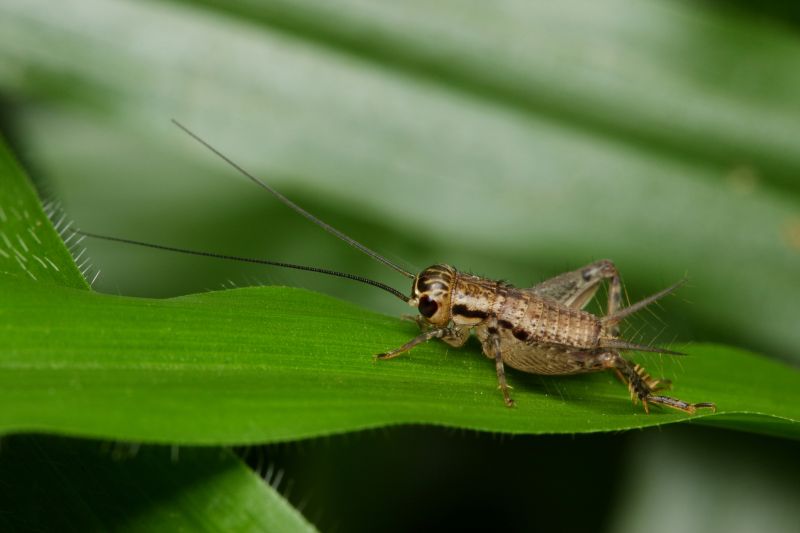
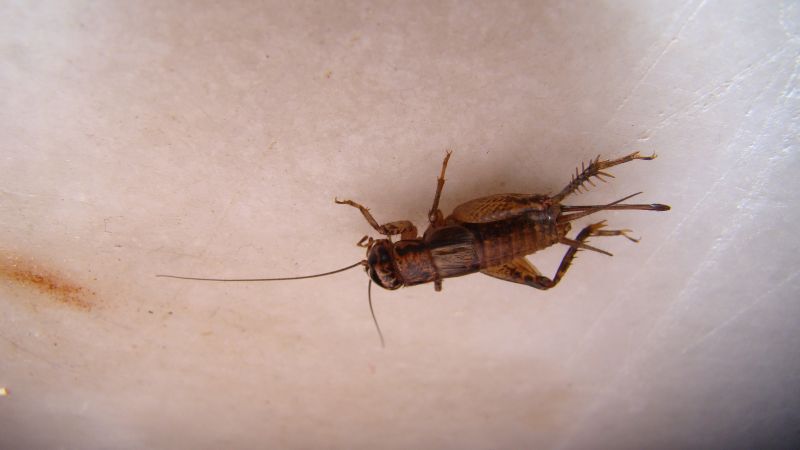
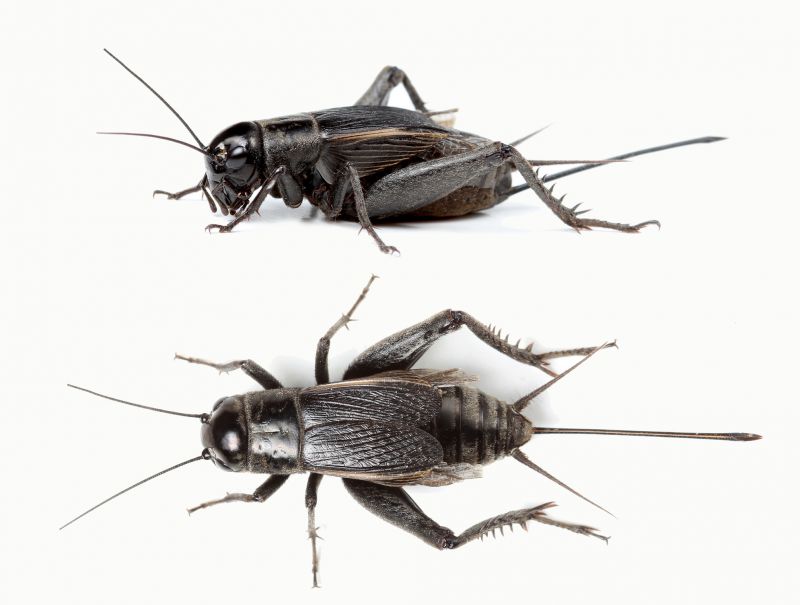
Understanding why spiders and crickets invade residential properties is a common concern for homeowners seeking effective pest management solutions. When people search this topic, they often want to know what attracts these insects, how they get inside, and what steps can be taken to prevent or reduce their presence. This interest typically stems from experiences with unwanted arachnids or crickets appearing in living spaces, basements, or yards, leading homeowners to look for explanations and solutions. The goal is often to identify the underlying causes of these invasions and find practical ways to keep these pests out of the home environment.
The problems associated with spider and cricket invasions often relate to comfort, hygiene, and property integrity. Spiders, while mostly harmless, can be unsettling and may cause concern about potential bites or the presence of other pests they might prey upon. Crickets, on the other hand, can create noise disturbances and sometimes damage plants or fabrics. Many property owners consider pest control plans that include exclusion methods, habitat modification, or targeted treatments to manage these insects effectively. Understanding why these pests invade helps homeowners develop strategies to minimize their presence and prevent future invasions.
Residential properties most commonly affected by spider and cricket invasions include single-family homes, townhouses, and apartment complexes. These structures often provide the shelter, warmth, and food sources that attract these insects, especially during certain times of the year. Common entry points include gaps around doors and windows, vents, cracks in the foundation, and openings in the attic or basement. Properties with cluttered yards, overgrown vegetation, or unmanaged debris tend to be more susceptible to invasions, as these conditions create ideal hiding spots and breeding grounds. Recognizing the types of properties at risk helps homeowners understand where to focus their prevention efforts.
Local service providers specializing in spider and cricket control play a crucial role in addressing these invasions. They can assess property conditions, identify entry points, and implement targeted treatments or exclusion techniques to reduce pest populations. These professionals also advise on habitat modifications and maintenance practices that make properties less inviting to these insects. For homeowners dealing with persistent invasions, connecting with experienced local contractors ensures that the problem is handled efficiently and effectively. Proper pest management not only improves comfort and peace of mind but also helps maintain the integrity of the residential environment.
Pest inspection services - these projects involve identifying pest entry points and nesting areas, which are essential steps in understanding why spiders and crickets invade residential properties.
Home sealing and weatherproofing - sealing cracks, gaps, and openings helps prevent spiders and crickets from entering homes, a common focus in pest prevention efforts.
Yard cleanup and landscaping - projects that remove debris, dense vegetation, and hiding spots reduce outdoor attractants that draw spiders and crickets close to residences.
Moisture control installations - installing dehumidifiers and fixing leaks address conditions that attract crickets and spiders seeking damp environments around homes.
Exterior barrier treatments - applying barriers or treatments around the foundation and entry points helps keep spiders and crickets from infiltrating indoor spaces.
Drainage system improvements - projects that improve yard drainage prevent standing water, which is a common attractant for crickets and other pests seeking moist habitats.
When evaluating service providers for spider and cricket control, it is important to consider their experience with similar projects. Homeowners should inquire about how long a contractor has been handling pest issues related to spiders and crickets, as well as their familiarity with the specific conditions that attract these pests to residential properties. A contractor with a history of successfully managing infestations in homes with comparable layouts or environments can often offer more tailored and effective solutions. This experience can help ensure that the chosen professional understands the common entry points and seasonal behaviors of these pests, leading to more comprehensive control strategies.
Clear written expectations are crucial when selecting a contractor for pest control services. Homeowners should seek detailed estimates and scope of work that outline what treatments will be performed, what areas will be targeted, and any follow-up or preventative measures included. Transparent communication about the process helps set realistic expectations and reduces misunderstandings. Service providers who can clearly articulate their approach and provide written documentation demonstrate professionalism and a commitment to transparency, making it easier for homeowners to compare options and make informed decisions.
Reputable references and good communication practices are also key factors to consider. Potential contractors should be able to provide references from previous clients who experienced similar pest issues. Speaking with past customers can offer insights into the contractor’s reliability, effectiveness, and professionalism. Additionally, a service provider who maintains open, timely, and clear communication throughout the process can help homeowners feel confident and informed about the work being done. These qualities often reflect the contractor’s dedication to quality service and their ability to address questions or concerns promptly, which is especially important when dealing with persistent pests like spiders and crickets.
Property owners often search for why spiders and crickets invade residential properties when they are planning practical projects around their homes and businesses. Local pros provide Spider and Cricket Control services for everyday jobs and straightforward project options.
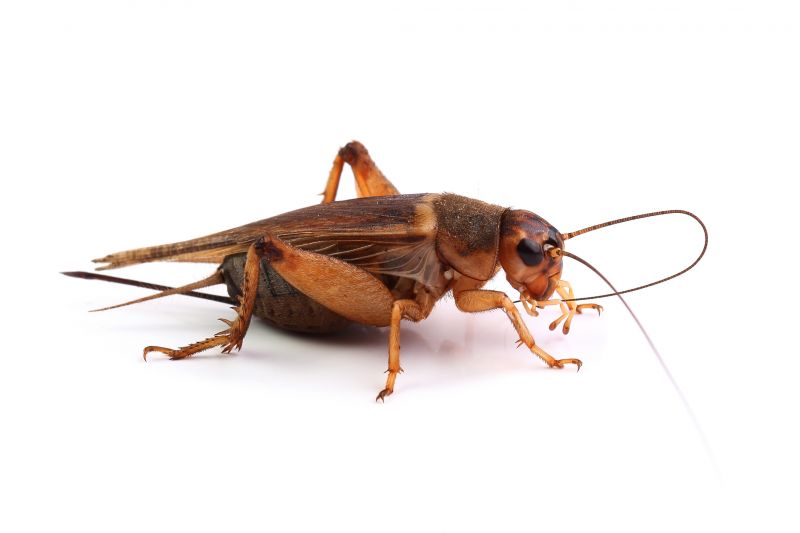
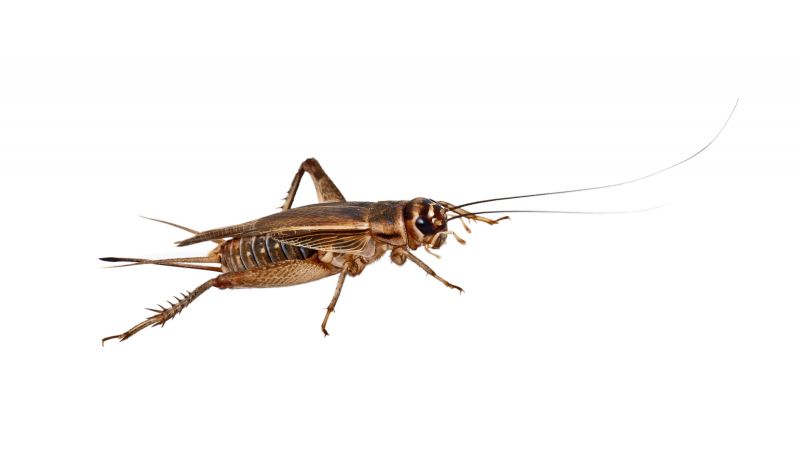
Understanding why spiders and crickets invade residential properties can help property owners address common entry points and attractants. These insects often seek shelter and food sources, especially during certain seasons or when outdoor conditions change. For example, spiders may enter homes while hunting for other insects or to find quiet, undisturbed spots for hiding. Crickets tend to invade in search of warmth and moisture, often entering through gaps around doors, windows, or foundation cracks. Recognizing these everyday situations can motivate property owners to explore spider and cricket control services offered by local contractors who specialize in managing these common pests.
Many property owners turn to local service providers for effective solutions when dealing with spider and cricket invasions. These professionals can identify the factors that attract these insects and implement targeted treatments to reduce their presence. Proper exclusion methods, habitat modification, and targeted pest control can help keep these pests outside where they belong. Considering the role of environmental conditions and structural vulnerabilities, local contractors can provide practical advice and services to help maintain a pest-free home environment. This makes it easier for property owners to address the root causes of invasions and enjoy a more comfortable living space.
Why do spiders and crickets tend to invade residential properties? Spiders and crickets often seek shelter and food sources around homes, especially in warm, dark, or cluttered areas, making residential properties attractive habitats.
What attracts spiders and crickets to homes? Factors such as outdoor lighting, plants, debris, and moisture around a property can draw these pests closer, increasing the likelihood of invasion.
How can local contractors help prevent spider and cricket invasions? They can assess property conditions, identify entry points, and implement targeted treatments or barriers to reduce the chances of pests entering the home.
Are there specific areas in a home where spiders and crickets are more likely to appear? Common areas include basements, garages, crawl spaces, and around door and window frames where pests can find access and shelter.
Why is professional pest control recommended for managing spider and cricket invasions? Experienced service providers can effectively identify pest entry points and apply appropriate treatments to help keep these insects out of residential spaces.
Eliminating entry points - Identifying and sealing gaps, cracks, and openings can prevent spiders and crickets from entering indoor spaces, with local contractors providing effective sealing solutions.
Reducing outdoor attractants - Removing debris, clutter, and overgrown vegetation around the home limits hiding spots and food sources, making properties less inviting to invading pests.
Managing moisture and humidity - Fixing leaks and controlling damp areas helps reduce conditions that attract crickets and spiders seeking water, with local pros offering targeted moisture control services.
Implementing barrier treatments - Applying residual insecticides around the foundation and perimeter creates a barrier that deters pests from invading residential properties, with local service providers handling the application.
If you are thinking about why spiders and crickets invade residential properties for a property, this guide is meant to help you understand this topic, the typical project types, and how different options might fit your plans.
When you are ready, you can use the quote form on this page to share a few details about your project. From there, local pros can review the basics and follow up with options that match what you have in mind.