
Signs You Have a Stinkbug Infestation Indoors
If you notice signs you have a stinkbug infestation indoors, local service providers can help eliminate the pests and prevent future invasions effectively.
If you’ve noticed an unusual number of stinkbugs inside your home, it’s important to understand the signs that point to an infestation. Common indicators include seeing these insects gathering near windows, doors, or other entry points, especially during the fall months when they seek warmth. You might also notice a distinct, unpleasant odor when you disturb them or find small clusters of dead bugs in window sills and on window screens. Recognizing these early signs can help property owners determine whether a stinkbug problem has taken hold and prompt the right steps to address it effectively.
Property owners in the area who suspect a stinkbug presence should consider consulting local service providers experienced in stinkbug infestation treatment. These professionals can assess the situation, identify entry points, and recommend appropriate solutions to prevent further invasion. Addressing a stinkbug infestation early not only reduces the nuisance but also helps maintain the comfort and integrity of the home. Keep reading to learn more about how to identify these signs and explore options for professional assistance to keep your property protected.
- Inspection and Identification - when homeowners notice an increase in stinkbugs indoors, local contractors can perform thorough inspections to confirm the presence of an infestation.
- Infestation Treatment - if signs of stinkbugs are found inside, local service providers can implement targeted treatment methods to reduce their numbers.
- Entry Point Sealing - upon discovering stinkbugs indoors, local pros can identify and seal cracks and gaps to prevent further entry.
- Ongoing Monitoring - after initial treatment, local contractors can set up monitoring to ensure stinkbugs do not return or persist indoors.
- Preventive Advice - when signs of an infestation are detected, local service providers can offer tips to help prevent future stinkbug invasions indoors.
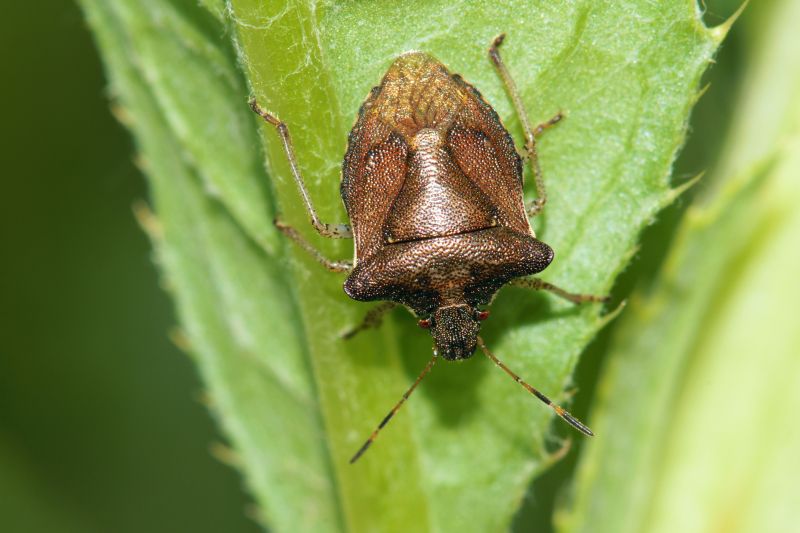
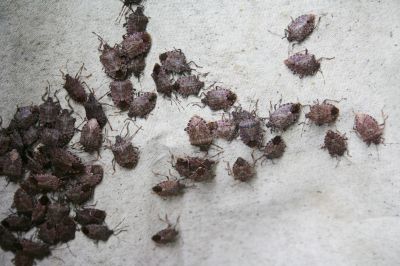
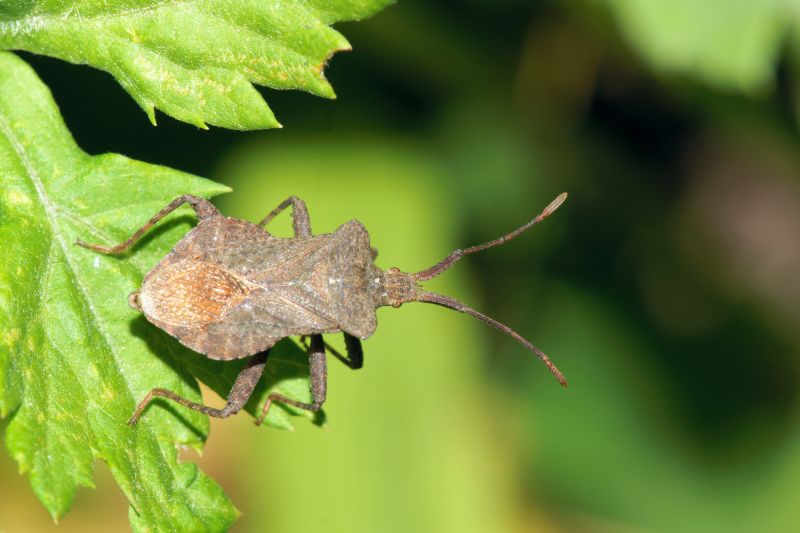
When people search for signs you have a stinkbug infestation indoors, they are usually trying to identify whether these pests have made their way into their homes or properties. Stinkbugs are known for seeking shelter inside during cooler months or when they are disturbed outdoors. Homeowners often notice unusual activity, such as sightings of the insects themselves, or they may find dead or live stinkbugs in their living spaces. Recognizing these early signs can help prevent a larger infestation and make pest management efforts more effective. Local contractors who specialize in stinkbug treatment can assist in confirming the presence and developing a plan to eliminate the pests.
The problems associated with a stinkbug infestation extend beyond mere nuisance. While these insects do not typically cause structural damage, their presence can lead to unpleasant odors, especially if they are crushed or die inside walls or attics. Additionally, stinkbugs tend to gather in large numbers, which can make cleaning and maintenance more challenging. Some homeowners also worry about potential contamination of food or contamination of indoor air quality. These concerns often prompt plans to address the infestation promptly, with local service providers offering targeted treatment solutions to remove stinkbugs and prevent future invasions.
Properties that are most commonly affected by stinkbug activity include homes with easy access points like gaps around windows, doors, or vents. Attics, basements, and garages are also common areas where these pests may congregate, especially if they find cracks or openings to enter. Residential properties are the most typical targets, but commercial buildings, especially those with similar entry points or stored goods, can also experience infestations. Understanding the types of properties prone to stinkbug issues helps homeowners and property managers recognize the importance of timely inspections and treatments, which local contractors can provide as part of their pest management services.
Identifying signs of a stinkbug infestation indoors is a practical step in managing the problem before it becomes overwhelming. Common indicators include sightings of the insects during the fall or winter months, especially near windows or light sources, as they are attracted to warmth and light. You may also notice clusters of dead bugs in window sills, door frames, or behind furniture. Foul odors from crushed bugs can be another clue that an infestation is present. When these signs are observed, seeking assistance from local stinkbug treatment specialists can help determine the extent of the problem and implement effective removal strategies to restore comfort and hygiene inside the property.
Home inspection services - professionals who can identify signs of pest infestations, including stinkbugs, during thorough property assessments.
Pest control consultation - local contractors who provide advice on identifying and managing indoor stinkbug presence and preventing future invasions.
Structural repair services - specialists who can seal entry points that stinkbugs use to invade indoor spaces, based on signs of infestation.
Sealing and pest-proofing - experts skilled in blocking common stinkbug entry routes to help reduce indoor infestations.
Wildlife exclusion services - providers who can identify and seal gaps or openings that serve as entry points for stinkbugs and other pests.
Indoor environment assessment - professionals who evaluate conditions that may attract stinkbugs and recommend mitigation strategies.
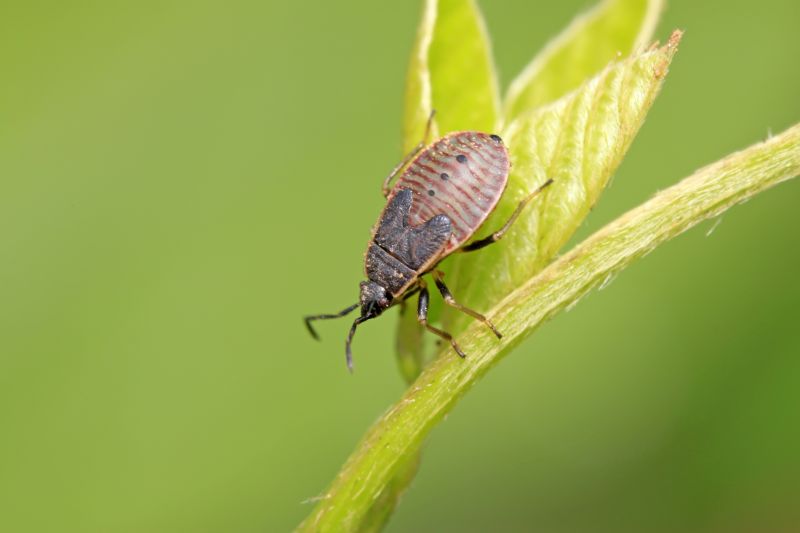
When comparing service providers for stinkbug infestation treatment, it’s important to consider their experience with similar projects. Homeowners should seek out local contractors who have a proven track record in handling indoor pest issues, particularly with stinkbugs or related insects. An experienced professional will understand the common signs of infestation and the most effective methods to address them, reducing the likelihood of recurring problems. Asking about past projects or requesting references can help gauge a contractor’s familiarity with indoor stinkbug control and their ability to manage the specific challenges that come with these pests.
Clarity in written expectations is another key factor when evaluating local contractors. Homeowners should look for service providers who can clearly outline the scope of work, what treatments will be used, and what results to expect. This transparency helps prevent misunderstandings and ensures that both parties are aligned on the process. A reputable contractor will also be willing to discuss the steps involved in identifying and eliminating stinkbug issues indoors, providing detailed explanations that help homeowners make informed decisions about their pest management options.
Effective communication is essential when working with local service providers. Homeowners should prioritize contractors who are responsive, approachable, and willing to answer questions thoroughly. Good communication fosters trust and allows for a smoother experience, especially when addressing concerns about signs of infestation and treatment plans. Reputable companies often have a reputation for keeping clients informed throughout the process, which can be a strong indicator of their professionalism and commitment to customer service. Ensuring clear and open communication can make the process of managing a stinkbug infestation less stressful and more successful.
Property owners often search for signs you have a stinkbug infestation indoors when they are planning practical projects around their homes and businesses. Local pros provide Stinkbug Infestation Treatment services for everyday jobs and straightforward project options.
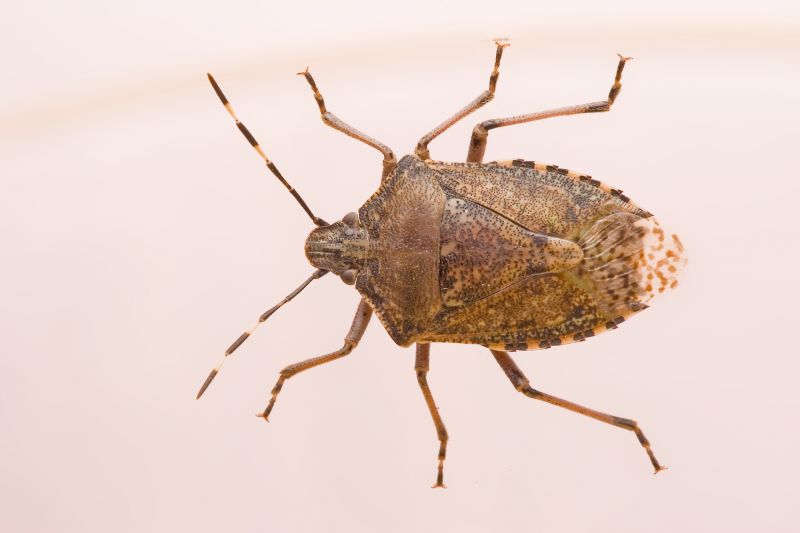
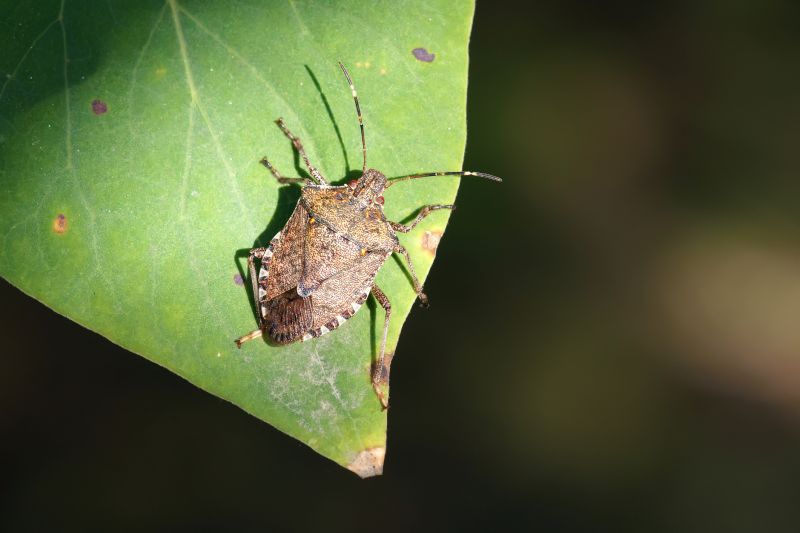
Signs you have a stinkbug infestation indoors often include the presence of numerous insects around windows, door frames, or other entry points, especially during the fall and early winter months. Property owners might notice these bugs gathering in large groups or find them inside their homes after sneaking in through small cracks and gaps. If these insects are frequently seen crawling on walls, ceilings, or near light fixtures, it could indicate an active infestation that requires professional treatment. Local contractors specializing in pest control can assess the situation and recommend effective solutions to eliminate the bugs and prevent future invasions.
In addition to visible insects, a distinctive musty odor may be noticeable when stinkbugs are disturbed or crushed, which can be a sign of their presence inside the property. Property owners searching for ways to address this issue might consider reaching out to experienced service providers who offer stinkbug infestation treatments. These professionals can identify entry points, apply targeted treatments, and help ensure that the indoor environment remains free of these pests. Engaging local experts can provide peace of mind and effective relief from ongoing nuisance or potential damage caused by stinkbugs.
What are common signs indicating a stinkbug infestation indoors? Unusual numbers of stinkbugs found inside, especially near windows or entry points, are a typical sign of an infestation. You might also notice a strong, unpleasant odor when they are disturbed or crushed. Additionally, spotting shed skins or small dark spots on walls and window sills can indicate their presence.
How can I tell if stinkbugs are hiding inside my walls or attic? Signs include increased sightings near vents, cracks, or gaps in walls and ceilings, especially during seasonal changes. You may also hear faint rustling sounds or notice an accumulation of dead bugs in hidden areas, prompting a need for inspection by local service providers.
Are there specific smells or physical signs that suggest a stinkbug infestation? Yes, a distinctive, foul odor emitted by the bugs when disturbed or crushed is a clear indicator. Physical signs include clusters of bugs gathering around entry points or in corners, as well as the presence of shed skins or fecal spots on surfaces.
What should I do if I find a large number of stinkbugs indoors? It’s advisable to contact local contractors experienced in stinkbug treatment to handle removal and prevent future invasions. They can identify entry points and recommend sealing measures to keep bugs out of living spaces.
Can stinkbug infestations be identified early before they become a major problem? Early signs include small groups of bugs near windows or doors and the appearance of shed skins. Recognizing these signs promptly allows local professionals to implement control measures before the infestation worsens.
Dark spots or droppings - noticing small dark spots or droppings near windows and door frames can indicate an indoor stinkbug presence, prompting property owners to seek treatment services from local contractors.
Crack and gap inspection - identifying tiny cracks and gaps around the foundation or vents helps property owners understand where stinkbugs may be entering, encouraging them to work with local pros to seal entry points.
Unusual odors or dead insects - detecting a musty smell or finding dead stinkbugs indoors can signal an infestation, leading property owners to consult local service providers for effective removal solutions.
Clustering behavior in corners - observing stinkbugs gathering in corners or near light sources can be a sign of an infestation, prompting property owners to consider professional treatment options from local contractors.
If you are thinking about signs you have a stinkbug infestation indoors for a property, this guide is meant to help you understand this topic, the typical project types, and how different options might fit your plans.
When you are ready, you can use the quote form on this page to share a few details about your project. From there, local pros can review the basics and follow up with options that match what you have in mind.